HDPE Drum Recycling Plant: Equipment, Process Flow and Planning Checklist
A practical guide to planning an HDPE drum recycling plant, from feedstock checks and size reduction to washing, drying, wastewater and layout.
HDPE Drum Recycling Plant: Equipment, Process Flow and Planning Checklist
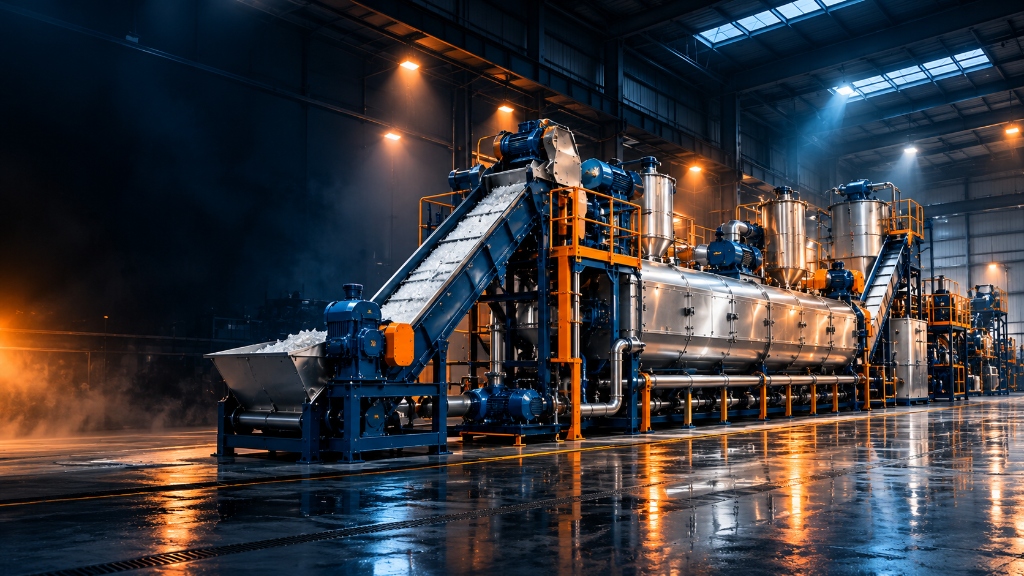
An HDPE drum recycling plant turns used plastic drums and suitable rigid HDPE scrap into reusable flakes or further processed material. A successful project begins with understanding the incoming material, the required output and the steps needed to remove contamination safely and consistently.
Not every drum has the same history or condition. Some may contain labels, oil residues, dirt or other contaminants. The plant layout and washing process must therefore be selected for the actual feedstock and the intended market for the recycled material.
What materials can an HDPE drum recycling plant process?
A plant may be designed for suitable HDPE drums, containers, crates and other rigid HDPE scrap. Before accepting material, recyclers should identify its polymer type and previous contents.
Containers that held hazardous or unknown substances require appropriate assessment and handling. Do not assume that every used drum is safe to process or that ordinary washing will make contaminated containers suitable for every recycling application.
Typical HDPE drum recycling process flow
The exact process varies by feedstock and output specification, but a typical mechanical recycling sequence may include:
- Sorting and inspection: Separate acceptable HDPE material and remove unsuitable items and visible foreign objects.
- Pre-cleaning: Remove loose dirt and residues using a process suitable for the material's condition.
- Size reduction: Cut or shred drums into smaller pieces using appropriately selected size-reduction equipment.
- Washing: Use washing stages matched to contamination, including friction cleaning where appropriate.
- Rinsing and separation: Remove loosened contaminants and separate materials where the process design requires it.
- Drying: Reduce residual moisture to the level required by the next process.
- Storage or further processing: Store clean flakes appropriately or feed them to a compatible extrusion and pelletising line.
This is a planning outline, not a fixed equipment specification. A material trial and process review should confirm the required stages.
Equipment to consider for an HDPE drum recycling plant
Sorting and feeding equipment
A controlled feeding arrangement helps operators inspect material and maintain a consistent supply to the size-reduction stage. The required conveyor and sorting setup depends on the drum dimensions, incoming volume and labour arrangement.
Shredder or crusher
The size-reduction machine must suit the dimensions, wall thickness and construction of the drums. Selection should account for required output size, feed method, rotor configuration, maintenance access and expected throughput.
Washing and friction-cleaning equipment
Washing equipment should be selected after identifying the actual contamination. Dirt and loose residues may need a different process from oils, adhesives or other stubborn contamination. Do not specify hot washing or chemical treatment without assessing the material and wastewater requirements.
Drying and material handling
Drying capacity should match the output of the washing section and the requirements of downstream processing. Conveyors, blowers and storage arrangements should be considered as part of the complete line rather than as isolated additions.
Wastewater treatment
Washing can produce wastewater containing suspended solids and process residues. Screening, filtration, treatment and recirculation should be designed around water quality, plant throughput and applicable local requirements.
How to plan plant capacity and layout
Start with the quantity of material available per shift and the number of operating hours planned. Then consider the actual condition and dimensions of the drums, the required output size and the downstream buyer's quality requirements.
Allow space for safe loading, sorting, machine access, maintenance, electrical panels, water treatment and finished-material storage. Keep pedestrian routes and maintenance areas clear. Utility availability and wastewater arrangements should be checked before finalising the layout.
Do not compare plant capacity figures without checking what material and operating conditions those figures assume. Real throughput can vary with feed size, contamination, operator practice, machine configuration and maintenance condition.
Key questions before investing
- What types and sizes of HDPE drums will be processed?
- Are the previous contents known and is the feedstock safe to handle?
- What is the expected quantity per hour or shift?
- What output size and cleanliness does the buyer require?
- Will the line produce flakes only or include extrusion and pelletising?
- What power, water and floor space are available?
- How will wastewater and rejected contaminants be managed?
- What service support and spare parts are available?
Common planning mistakes
- Selecting a shredder without checking the drum dimensions and wall thickness
- Assuming all drums have the same contamination profile
- Underestimating sorting, pre-cleaning and wastewater requirements
- Planning only for the main machines and overlooking conveyors and storage
- Comparing quoted capacities without checking the feedstock assumptions
- Failing to plan safe access for cleaning and maintenance
Explore HDPE recycling machinery with ABS Polymers
ABS Polymers manufactures plastic recycling machinery and supports buyers planning recycling equipment configurations. Share details about your drum sizes, material condition, expected throughput and target output so the equipment selection can be reviewed against the real application.
Explore the ABS Polymers machinery range and plastic recycling plant solutions, or contact the team to discuss your project.
For general information on plastics recycling and material identification, refer to the Association of Plastic Recyclers. Feedstock acceptance, cleaning requirements and final product quality should be confirmed against applicable regulations and buyer specifications.
Note: This article provides general planning guidance. Final process design, machine selection, capacity and safety measures must be confirmed through feedstock assessment and project-specific engineering.