Plastic Film Recycling: Key Preparation Steps Before Washing and Processing
A practical guide to sorting, preparing and handling flexible plastic film before washing and further recycling operations.
Plastic Film Recycling: Key Preparation Steps Before Washing and Processing
Flexible plastic film can be challenging to recycle because it is light, bulky and often arrives mixed with labels, dirt, moisture or other waste. A consistent plastic film recycling process begins with good preparation. Sorting and inspection before processing can help reduce avoidable contamination and make the downstream line easier to manage.
The exact process depends on the film polymer, incoming condition and the quality requirements of the recycled output. This guide outlines the main planning considerations for film recycling operations.
1. Identify the incoming film stream
Do not treat all flexible plastic as one material. Identify the likely polymer and separate incompatible materials wherever practical. LDPE and other polyolefin films may be handled in dedicated streams, while multilayer packaging and mixed flexible waste can require a different evaluation.
Ask suppliers or collection partners for information about the source of the material. If polymer identity is uncertain, use an appropriate identification and testing process rather than relying only on appearance.
2. Sort out non-plastic contamination
Incoming film may contain paper, metal, stones, food residue, fabric, rigid plastic and other unwanted material. Establish a sorting procedure that removes visible contaminants before size reduction.
A useful receiving checklist includes:
- Polymer or source stream identification
- Visible non-plastic contaminants
- Moisture and organic residue
- Labels, tapes and attached components
- Colour and material consistency
- Evidence of hazardous or unknown contamination
Keep rejected material separate and document recurring contamination patterns. This can help improve collection and supplier practices.
3. Prepare the material for size reduction
Film can fold, stretch and wrap around rotating components if it is not fed correctly. The preparation stage should consider how the material is opened, conveyed and introduced to the size-reduction equipment.
Avoid forcing oversized bundles into machinery. Use feeding methods and operating procedures approved for the selected equipment. The correct shredder or granulator arrangement depends on film thickness, density, contamination and the intended downstream process.
4. Plan washing around the contamination profile
Washing requirements should be based on what is actually present in the incoming film. Dry dirt, sand, oils, food residue and adhesives may require different treatment approaches.
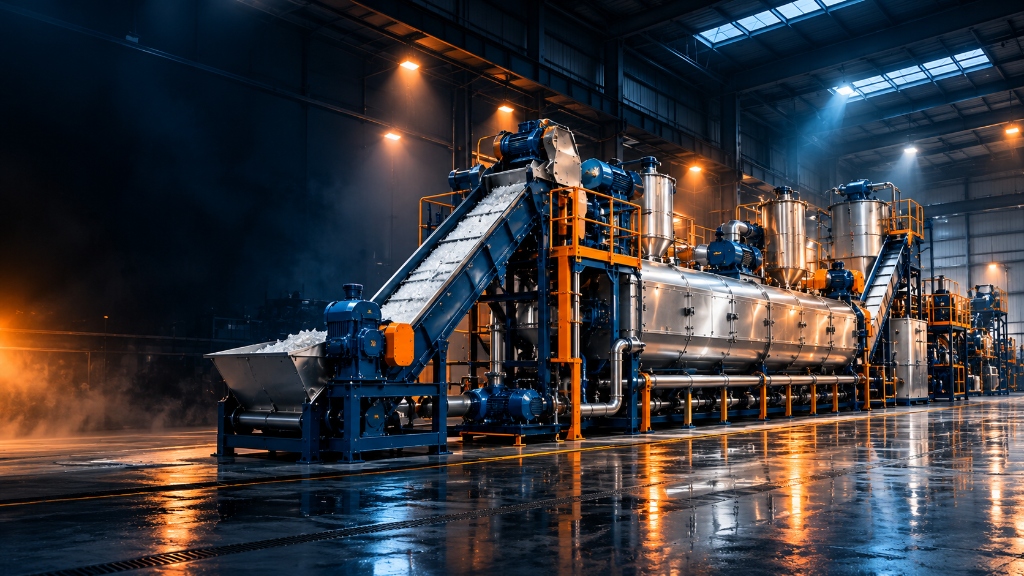
A film washing line may involve stages such as:
- Initial separation and pre-cleaning
- Size reduction
- Friction or mechanical washing
- Separation and rinsing
- Dewatering and drying
Not every plant needs the same sequence. Water temperature, chemical use, residence time and equipment configuration should be selected only after evaluating the material and the required output quality.
5. Manage water and wastewater responsibly
Washing can create wastewater containing suspended solids, organic matter and other contaminants removed from the feedstock. Plan screening, settling, filtration or other treatment steps according to the actual wastewater characteristics and applicable discharge requirements.
Water recirculation may reduce fresh-water demand, but recirculated water still needs monitoring and treatment. Do not assume that a single filtration stage will suit every film washing application.
6. Check the dried material before further processing
After washing and drying, inspect the output for residual dirt, moisture, odour, mixed polymers and inconsistent particle size. These factors may affect storage, extrusion and final product performance.
Define acceptance criteria with the buyer or downstream processor. Keep representative samples and record process conditions so that changes in feedstock can be compared with changes in output.
7. Questions to answer before investing
Before choosing equipment, establish:
- What film polymer and source stream will be processed?
- How contaminated and wet is the incoming material?
- What output form and quality are required?
- What water treatment and recirculation facilities are available?
- How will the plant handle rejects and process residue?
- What space, utilities and maintenance resources are available?
These answers are more useful than selecting machinery based on a headline capacity alone.
Build a process around your film feedstock
A successful film recycling operation starts with reliable material identification and a process designed for the real incoming waste. Explore ABS Polymers machinery, review plant solutions, or contact the team to discuss your feedstock and process requirements.
ABS Polymers works with plastic recycling machinery and plant requirements across different material streams. Final equipment selection should be based on a review of the actual film, site conditions and desired recycled output.