Plastic Recycling Conveyor Systems: Choosing the Right Material Handling Setup
Understand how conveyor type, layout, feed consistency and maintenance access influence material handling in a plastic recycling plant.
Plastic Recycling Conveyor Systems: Choosing the Right Material Handling Setup
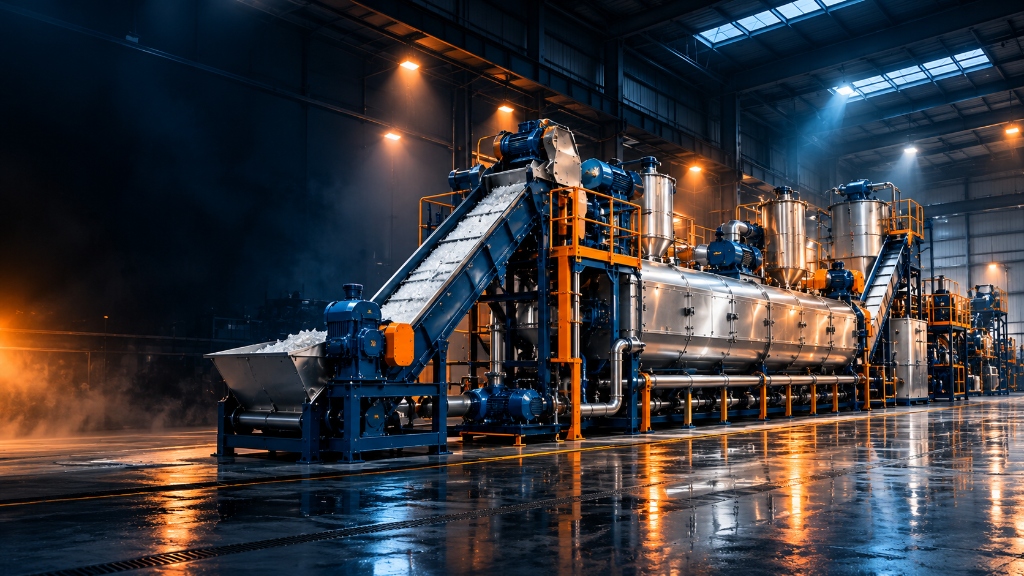
A plastic recycling plant depends on more than its shredder, washing line or pelletizing equipment. Material must move reliably between every stage. A well-planned plastic recycling conveyor system helps maintain a steady feed, reduces unnecessary manual handling and makes the overall plant easier to operate.
The right arrangement depends on the material, process sequence, available floor space and the equipment connected to it. A conveyor should be selected as part of the complete plant layout rather than as an isolated machine.
1. Map the material flow before selecting a conveyor
Start by tracing the material from receiving to the final processing stage. A typical line may include:
- Scrap receiving and sorting
- Feeding into a shredder or crusher
- Transfer to washing or separation equipment
- Movement between drying and storage stages
- Feeding into downstream processing, where applicable
Identify every transfer point, change in elevation, operator access area and location where material may accumulate. This simple exercise can reveal avoidable turns and unnecessary transfers before installation.
2. Match the conveyor to the material
Different forms of plastic scrap behave differently. Loose film, rigid regrind, bottles and washed flakes do not move in exactly the same way.
When assessing a plastic scrap conveyor, consider:
- Particle size and shape
- Whether the material is loose, bulky, wet or dry
- The possibility of film wrapping around moving components
- Dust, water and contamination around the transfer point
- Whether the material needs to be inspected or sorted while moving
A belt arrangement may suit some general transfer duties, while other applications may need a different conveying arrangement. Confirm the actual material and operating conditions with the equipment supplier before final selection.
3. Coordinate conveyor capacity with connected machines
A conveyor that feeds too slowly can restrict an upstream or downstream machine. One that feeds too quickly may overload a hopper or create an uneven process.
Review the complete line rather than choosing a conveyor using a standalone capacity figure. Check the expected material form, bulk density, feed pattern, operating hours and the requirements of the connected equipment. Ask the supplier to confirm the design basis and any assumptions used in capacity calculations.
4. Plan the layout for access and maintenance
A compact layout is not automatically an efficient layout. Operators need safe access to inspection points, emergency stops, cleaning areas and maintenance components.
Allow room for:
- Routine cleaning around transfer points
- Inspection of belt tracking and tension, where relevant
- Safe access to motors, drives and bearings
- Removal of trapped or accumulated material
- Maintenance work without obstructing nearby equipment
Avoid placing a conveyor where routine service requires dismantling unrelated machinery.
5. Reduce spillage and material carry-back
Spillage can create housekeeping problems and make it harder to maintain a clean process area. Review chute transitions, loading points, discharge angles and guarding. For wet or washed material, consider drainage and the potential for material to adhere to surfaces.
The correct solution depends on the material and conveyor design. A site assessment is more reliable than assuming one accessory or belt type will work for every plastic recycling application.
6. Include safety in the specification
Conveyors contain moving parts and must be guarded appropriately. Emergency-stop arrangements, electrical protection, safe walkways and lockout procedures should be considered during design and installation. Operators should be trained not to clear blockages while equipment is running.
Follow applicable workplace safety requirements and the equipment manufacturer's instructions.
7. A practical supplier checklist
Before confirming a conveyor system, share:
- Material type and condition
- Expected feed rate and operating pattern
- Required conveying distance and elevation
- Layout drawing or available floor dimensions
- Connected machine details
- Cleaning, inspection and maintenance requirements
- Site power and installation constraints
This information helps the supplier recommend a system that fits the actual process.
Plan the complete recycling line
A conveyor is one part of a connected production system. Review the full machinery range, explore plant solutions, and discuss your material and layout requirements through the ABS Polymers contact page.
ABS Polymers supports plastic recycling machinery and plant planning. Share your process requirements so the equipment arrangement can be evaluated around your material, site and operating needs.